
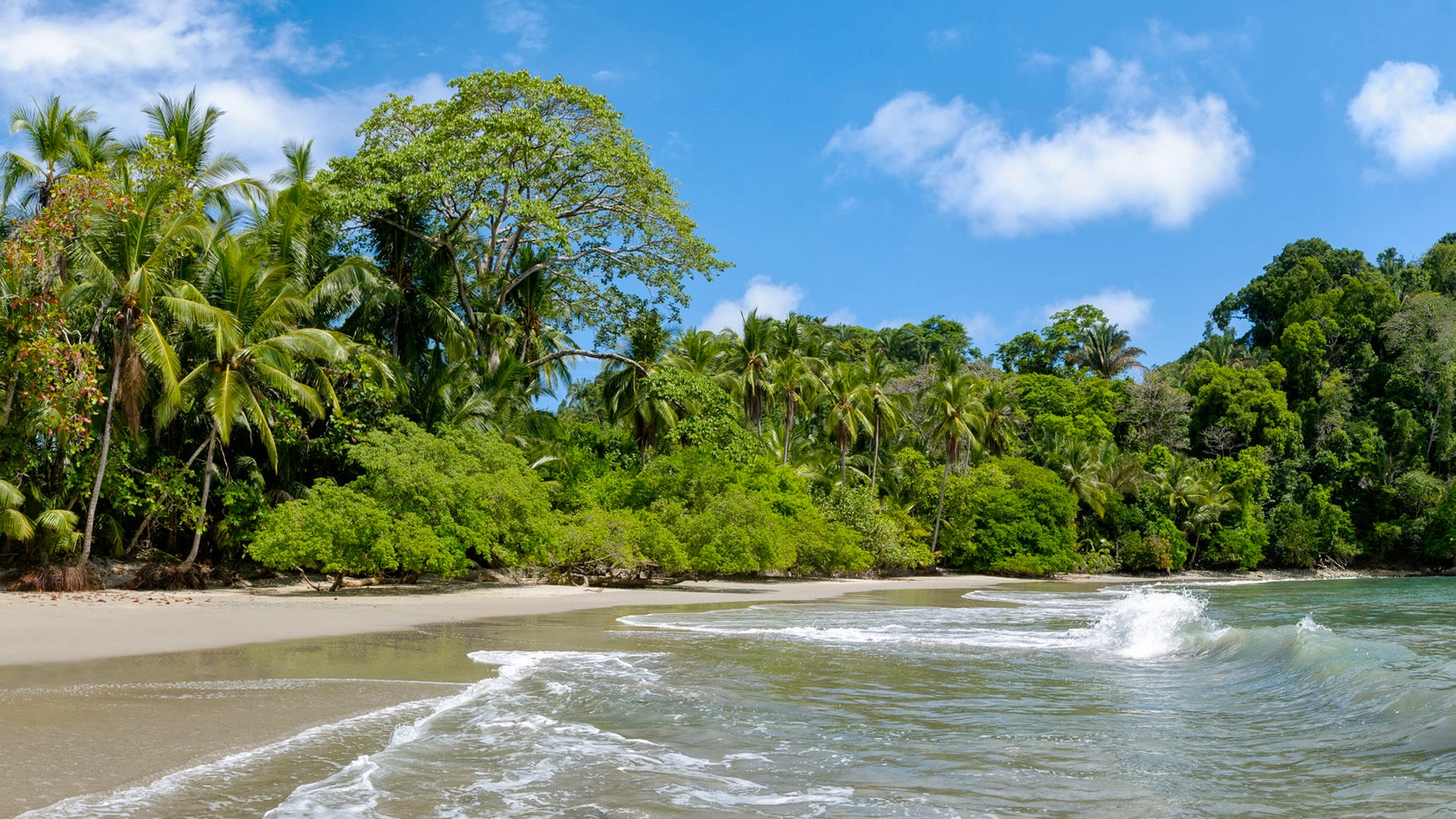
Between sunny beaches and dense jungles, smoldering volcanoes and some of the world’s highest biodiversity, Costa Rica has endless opportunities for adventure. However, one week is still very reasonable for your first visit. Here, we spotlight our recommended 7 day Costa Rica itinerary for first-timers.
This itinerary blends beaches, jungles, volcanos, and wildlife, as well as the country’s two most popular national parks and a few hidden gems along the way.
Jump to:
- 7 Day Costa Rica Itinerary: Overview
- Day 1: Travel Day to Puntarenas Province
- Day 2: Beach Day in Puntarenas
- Day 3: Manuel Antonio National Park
- Day 4: Travel Day to Arenal
- Day 5: Arenal National Park and Environs
- Day 6: Flex Day
- Day 7: Travel Day Home
7 Day Costa Rica Itinerary: Overview
Before we dive in, we’ve included a few notes and “need to know” info about this 7 day Costa Rica itinerary:
Itinerary Overview
A 7 day Costa Rica itinerary provides a wonderful introduction to this vibrant Central American nation. However, with just one week, you can realistically only expect to see two different locations.
Thus, we’ve structured this itinerary to offer the fullest overview possible. You’ll get a little beach time, a little jungle time, and excursions to the two most famous national parks (plus their inevitable wildlife sightings).
Note on Costa Rica's Popular Surf Towns
Some of the most well-known destinations in Costa Rica are the surf towns of Tamarindo, Nosara, and Santa Teresa, all located in the country’s northwest. We’ve opted to skip them in this itinerary because, while they’re great vacation towns, you’ll still get the Costa Rican beach experience near Manuel Antonio National Park.

With only one week, we believe your time is better spent experiencing the country’s more unique elements. If you have more than seven days available, you can easily add on one of the surf towns for a 9-10 day trip.
Transit Time
We’ve also organized this itinerary to minimize travel time between destinations.
Costa Rica is a small country, but the roads are slow, and transit can still take a deceptively long time. There are no freeways, and you will often encounter pockets of rugged terrain that require careful navigating.
Be sure to map out your transit ahead of your arrival, to allow adequate travel time between destinations. And if you’re renting a vehicle, we strongly recommend getting 4-wheel drive.
Day 1: Travel Day to Puntarenas Province
Day #1 will be your travel day. We recommend flying into San Jose, the capital, at Juan Santamaría International Airport (SJO). From there, it’s approximately a 2-hour drive to the Pacific coast.
If you’re not renting a car, you can also catch a shuttle from the airport. Many hotels offer their own shuttle service, but you can also find a service via Viator or similar platforms.
To best situate yourself for the days ahead, plan to stay along the coast of the Puntarenas Province, in the stretch between Jacó (to the north) and Manuel Antonio (to the south).
After you arrive at your end destination, enjoy a slow evening exploring your immediate surroundings.
Where to Stay
Jacó is the largest town in this region, and is a popular beach destination and surf break, with plenty of restaurants and amenities. However, it is also renowned for its nightlife – if you’re traveling with children or otherwise looking to avoid the nighttime party scene, you may want to choose a quieter resort along this stretch, outside of town.

Playa Hermosa, just south of Jacó, provides a sleepier alternative. You’ll also find plenty of hotels and resorts closer to the national park, in the namesake town of Manuel Antonio. Backpackers and those looking for cheaper lodging might check out Quepos, where many locals also live.
Day 2: Beach Day in Puntarenas
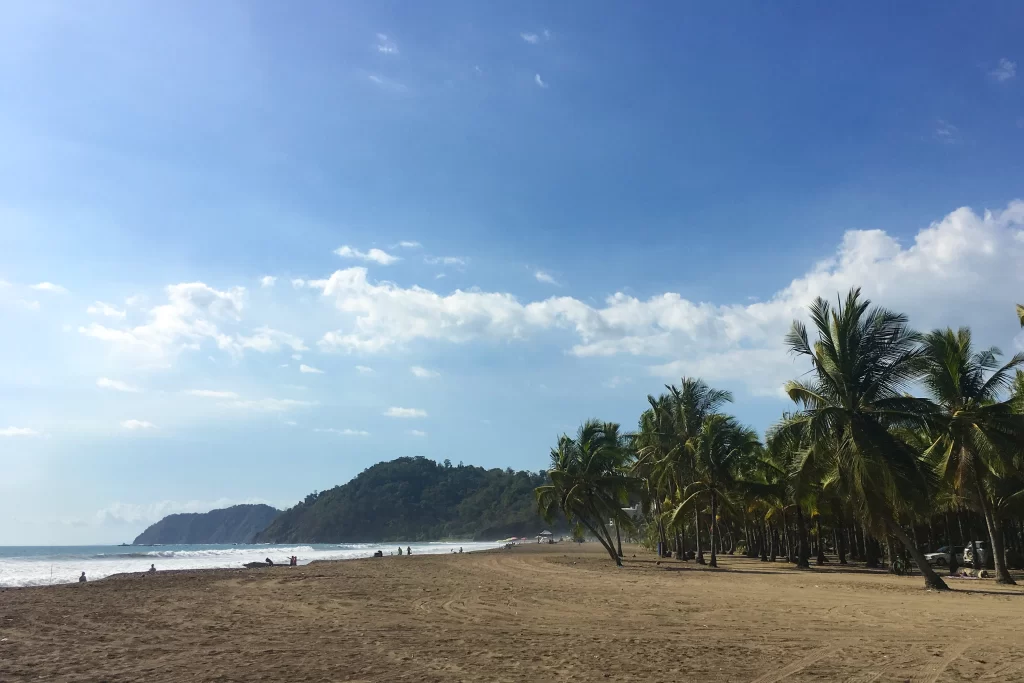
Leave today free for a languid beach day, as you shake off the travel dust and settle in. Any spot along this stretch of coastline promises sandy, palm-lined beaches perfect for a day in the sun.
This is also one of Costa Rica’s popular surf destinations, and you shouldn’t miss the opportunity to jump on a board, even if you’re a novice. Most of the breaks here are gentle, rolling waves perfect for beginners.
You’ll find plenty of surf shops in both Jacó and Manuel Antonio, offering hourly rentals and lessons.
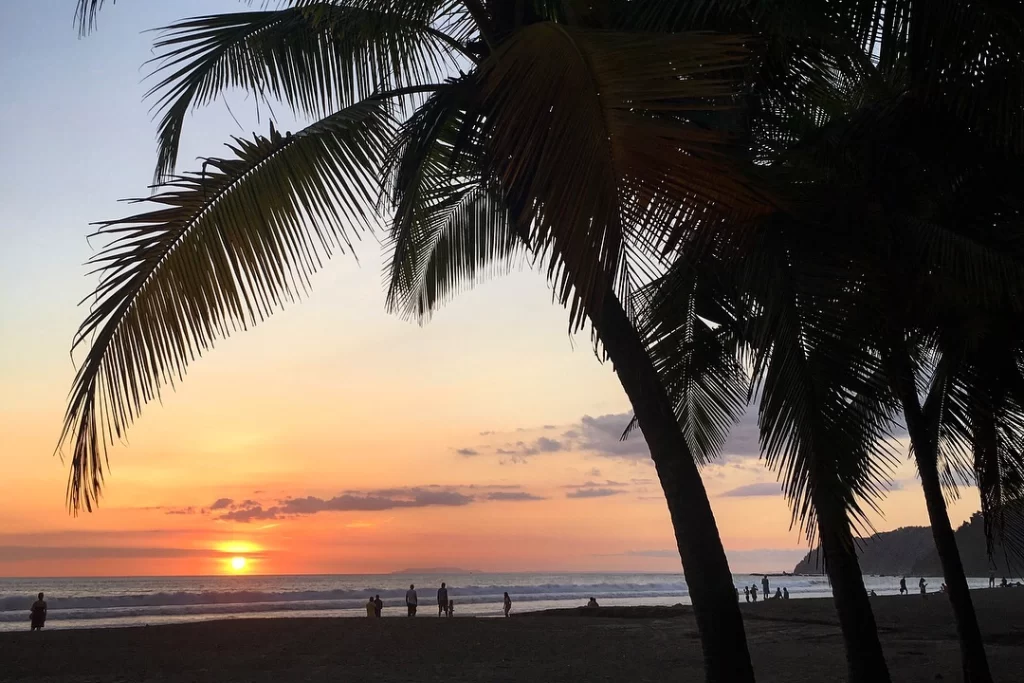
In the evening, rinse off the sand and head into town for dinner overlooking the sun setting behind the Pacific. Koko has one of the best seats in town, with cocktails and burgers right on the sand.
Day 3: Manuel Antonio National Park
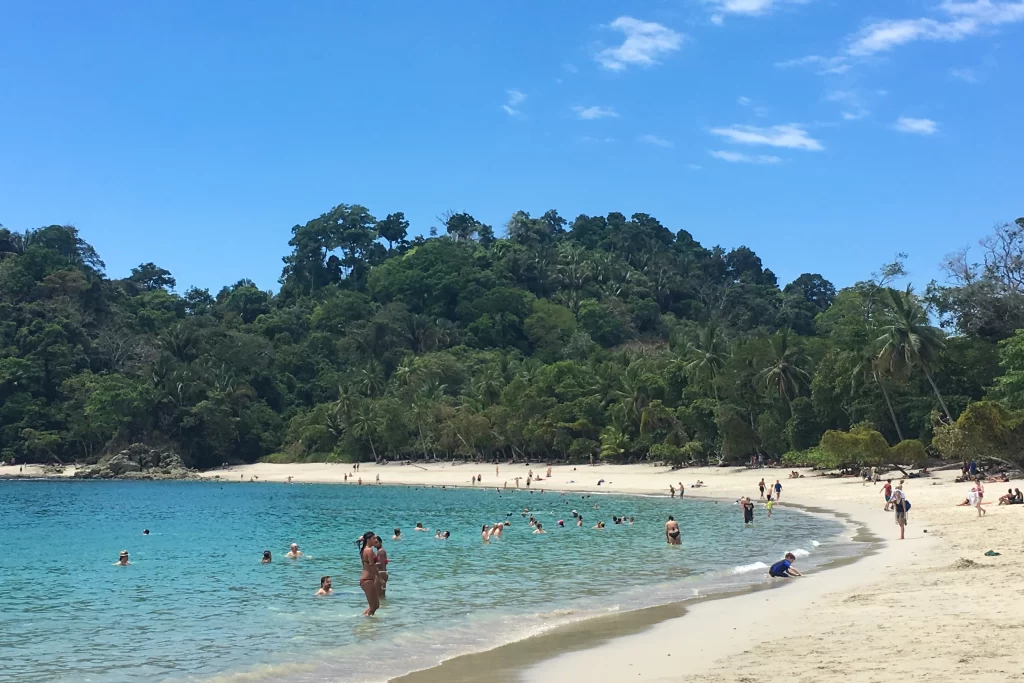
Manuel Antonio is one of Costa Rica’s most popular attractions (as well as its most-visited national park).
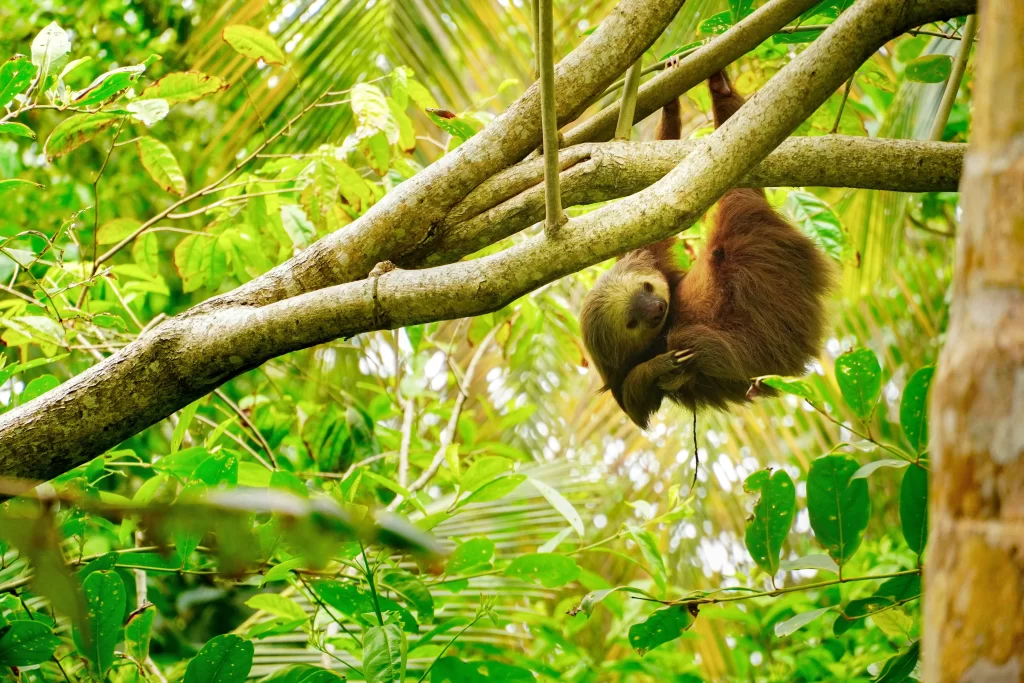
Relative to its small size (under 5,000 square acres), it boasts some of Costa Rica’s most concentrated biodiversity, as home to over 100 different mammals and 350 types of birds. In Manuel Antonio, you’re likely to see sloths, monkeys, tree frogs, macaws, toucans, and more.
The national park includes both lush jungle and white-sand beaches. Jungle trails are flat and well-groomed, making it easy to stroll the hiking loops at your own pace.
At the very least, we recommend trekking the 20 minutes from the park entrance to the famous, crescent-shaped Manuel Antonio Beach. You’ll inevitably catch some first-rate wildlife sightings along the way (additionally, don’t forget your bathing suit and towel!)
However, you can easily extend your visit with hikes further into the park interior. Many people opt for a guided tour, as local guides provide a deeper understanding of the flora and fauna beyond what you’ll learn from park signage alone.
Day 4: Travel Day to Arenal
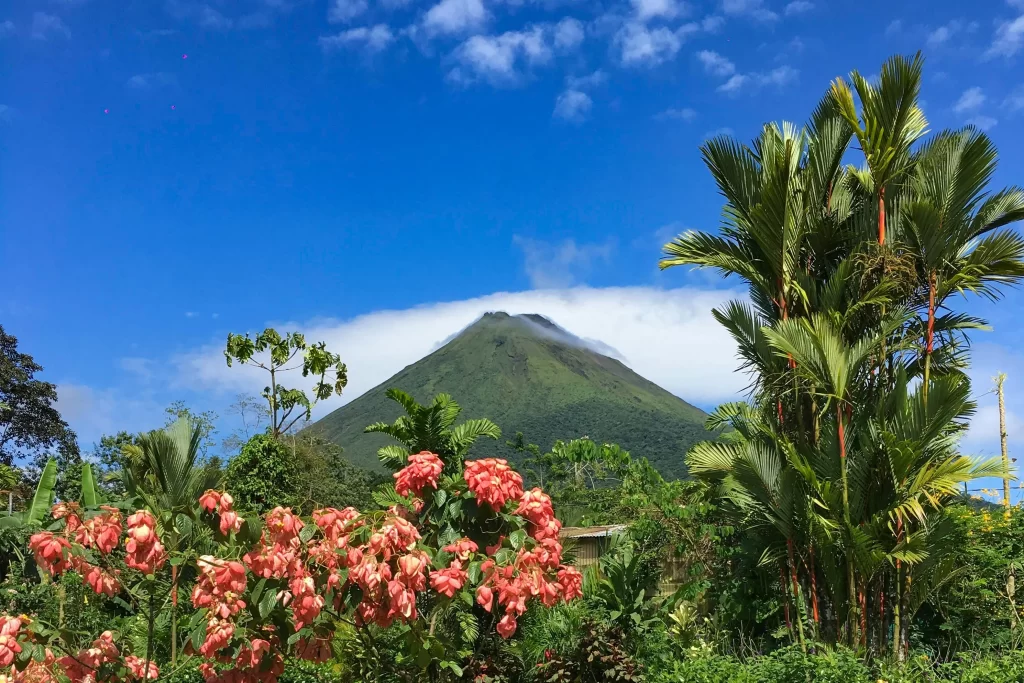
Today is a transit day to Arenal, Costa Rica’s second most popular national park (and a top destination for jungles and volcanoes).
While the distance may look short on a map, it’s still a 4-hour drive from Jacó, so you’ll want to leave the day open for travel.
The drive winds through sleepy small towns, with the peek into local village life an interesting sideshow in itself. Eventually, you’ll start climbing in elevation near the shores of Lake Arenal. If you left the Puntarenas Province in the morning, this makes a good destination to stop for lunch at one of the many small restaurants overlooking the lake.
Once you arrive, the late afternoon and evening is open to explore. After your travel day, we personally would recommend savoring a restorative soak at one of the local hot springs.
The region is renowned for its thermal waters, and there’s something extra atmospheric about the evening hours, as the spas’ twinkling lights cast an enchanting glow on the darkening jungle surroundings.
You’ll find plenty of hot springs resorts near Arenal, ranging from budget to luxury. Tabacon is one of the higher-end properties, while we’ve also enjoyed the quieter, family-owned Eco Termales.
Where to Stay
The town of La Fortuna is the largest population hub in the region, although there isn’t a whole lot to it.

Personally, we prefer staying in an ecolodge outside of town, where part of the experience is waking up to the cacophony of vibrant jungle life, including monkeys, birds, and more. Beyond Arenal Observatory Lodge (mentioned below, within the national park) you'll also find quality accommodations at Arenal Oasis, Tifakara, and Chachagua, just to name a few. Those looking for heightened luxury will find it at Nayara Tented Camp, which consistently ranks on the "world's best hotels" lists.
Day 5: Arenal Volcano National Park and Environs
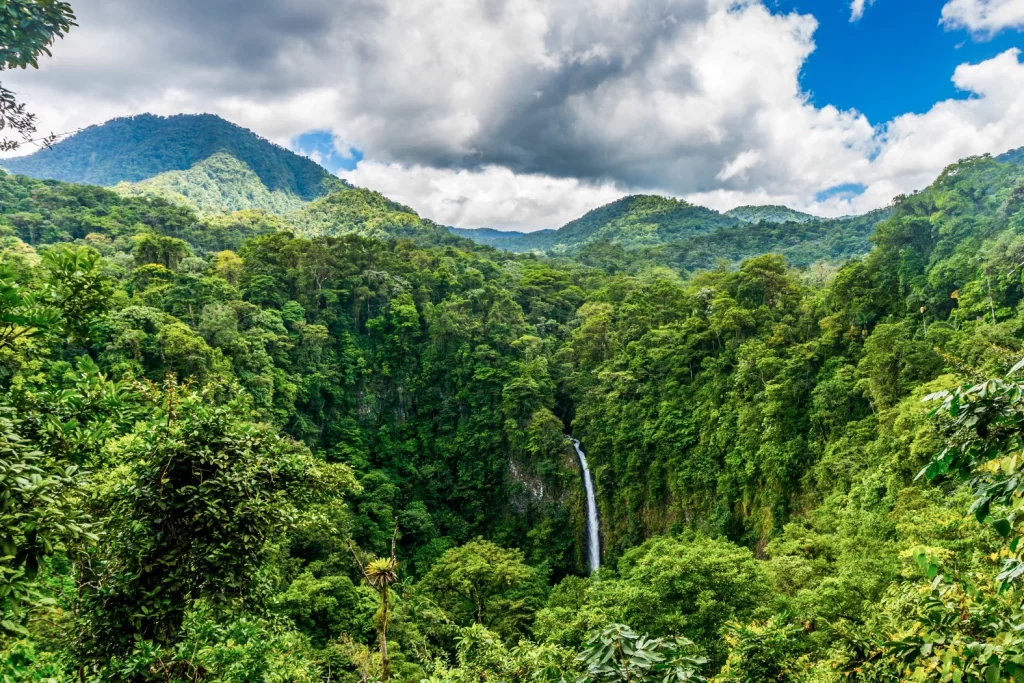
Explore your adventurous side today, with excursions into Arenal National Park and the surrounding jungles.
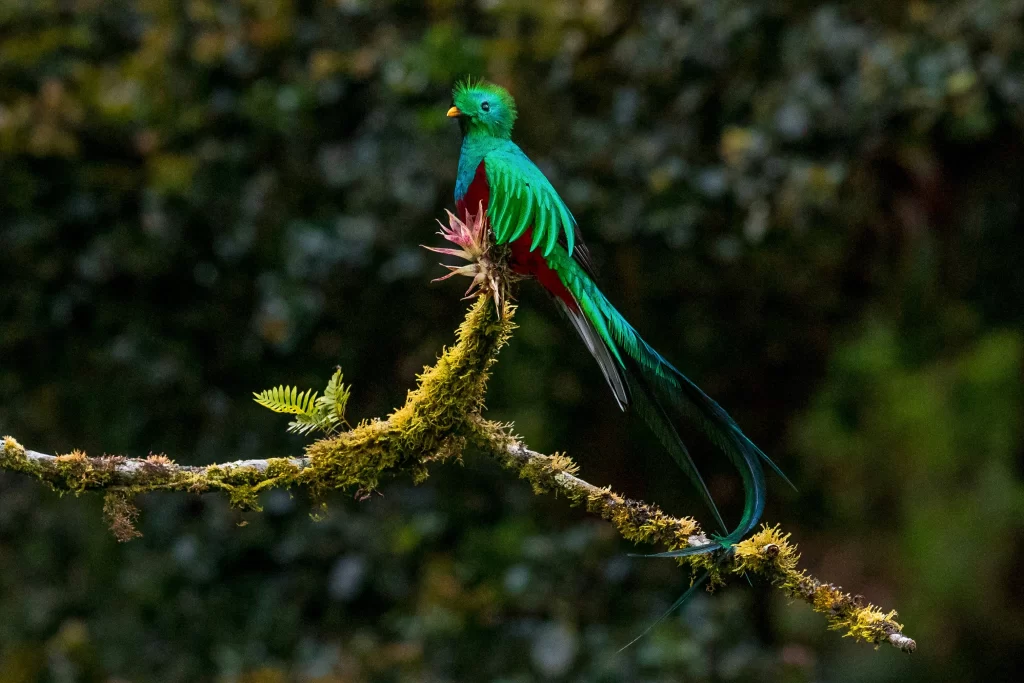
Arenal National Park is home to over 50% of Costa Rica’s animal, bird, and reptile species. And with nearly 25 miles of hiking trails, there are plenty of opportunities to spot its 130 resident mammals and 850 species of birds (including the endangered resplendent quetzal).
The park’s aptly-named Main Sector has about 3 miles of the most heavily-trodden trails, while you can also venture further afoot in the other sectors. Arenal Observatory Lodge, an eco-lodge and reserve within the park, also maintains 7 miles of footpaths across its private property, which are accessible for a day fee.
Outside of Arenal National Park, La Fortuna Waterfall is a popular day hike and swimming hole. The hike itself is short, just 0.5 miles each way down a series of steps through the surrounding rainforest. Your reward is a dip in the refreshingly brisk Fortuna River at the base of the 70-meter falls. Note the trail has an access fee for non-Costa Rica residents.
Conversely, if you prefer to leave your day’s planning to the experts, you can also find numerous outings with local guides on Viator. Choose from guided tours of Arenal National Park, to waterfall rappelling, ziplining, ATVing and more.
Day 6: Flex Day
We leave today as a flex day, taking into account your travels home tomorrow. Arenal is approximately a 3 hour drive back to San Jose, and many flights depart in the early morning. So, you may want to transit back towards San Jose, sightseeing along the way and ending near the airport, ahead of tomorrow’s flight home.
To that end, we’ve summarized some of our favorite spots to visit between La Fortuna and San Jose below.
Monteverde Cloud Forest
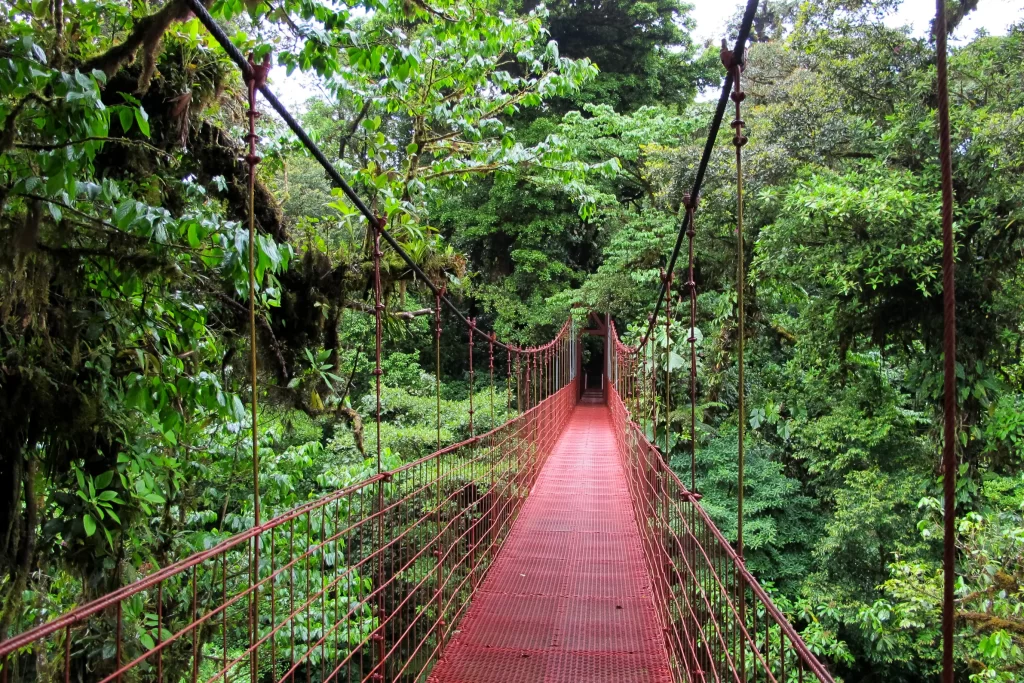
Monteverde is one of the more popular tourist destinations along this stretch, holding the uncommon distinction of being not just a rainforest, but also a cloud forest.
As the name suggests, this unique microclimate has persistent low-level clouds enveloping the tree canopy, which creates a moody, ethereal atmosphere.
You can either visit Monteverde independently, or join a guided tour for a more in-depth look into the reserve’s ecosystem and biodiversity. Just be sure to purchase tickets in advance.
Braulio Carillo National Park
Braulio Carillo is one of the country’s largest protected areas, with some of its steepest topography. Here, tall mountains drop into steep ravines, creating scenery much more dramatic than the more rolling hillsides you’ve come to expect elsewhere.
Despite being only an hour away from San Jose, the park is much less-visited than either Manuel Antonio or Arenal. It’s a bonus in our eyes, as the lack of crowds allows you to feel truly immersed in the misty rainforests.
Many of its hiking trails are just off the main highway, yet feel worlds away as you step into the otherworldly jungle. You can also ride the Aerial Tram on the eastern side of the park, as it traverses from the jungle floor, through the lower canopy to the treetops and back down again.
Toucan Rescue Ranch
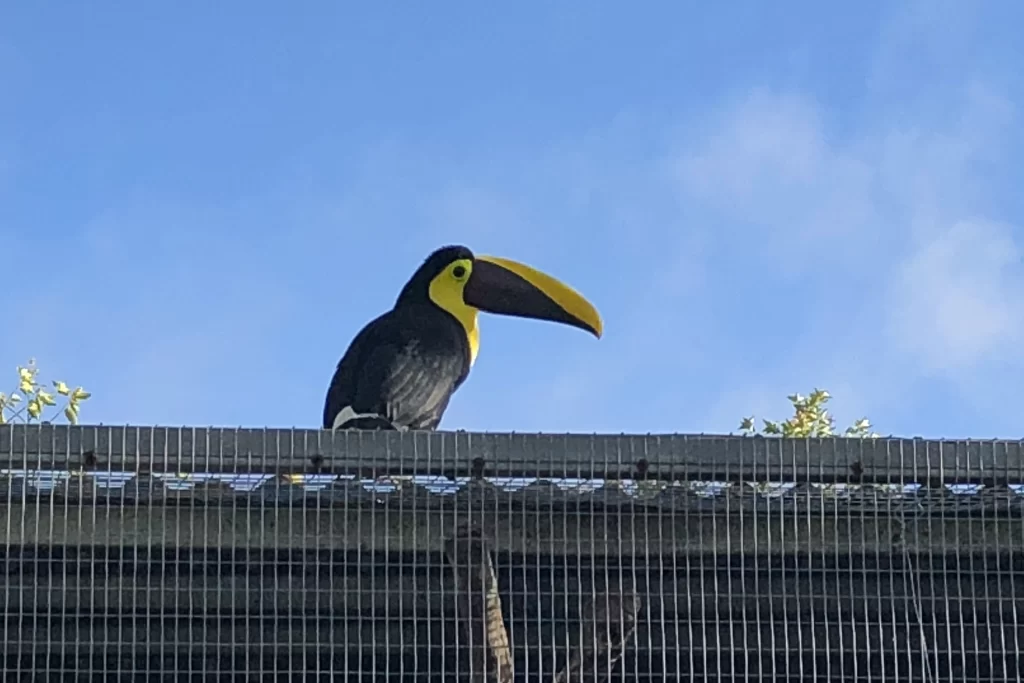
Located in the foothills on the outskirts of San Jose, this dedicated sanctuary is doing wonders to rescue and rehabilitate injured toucans, sloths, monkeys, and other local residents.
While you can’t hold or feed the animals, their guided tours will still get you very up close and personal. Plus, you’ll feel good knowing that the proceeds from your visit fund their continued rehabilitation efforts.
You can book a variety of on-site visits, including group, private, and nocturnal tours. Reservations are required via the Toucan Rescue Ranch website.
Day 7: Travel Day Home

Today is your return flight home from San Jose. Most likely, your flight will depart in the early morning hours, so we leave today’s itinerary open with the expectation that today is a travel day.
Optional Add On: Morning Outing in San Jose
Candidly, Costa Rica's capital doesn't often capture tourists' attention – most visitors' only view of San Jose is getting to and from the airport.

However, if you find yourself with a free morning before your flight, you can always venture into the city center to catch sites like the Museo Nacional de Costa Rica, Teatro Nacional and Mercado Central. You'll also find plenty of guided tours on Viator, such as a walking tour, chocolate factory visit, coffee tasting, or market food tour.

Just be sure to allow plenty of time to return to the airport for your departing flight (San Jose rush hour traffic is no joke!)
Have some additional time to add on to your 7 day Costa Rica itinerary? Check out our companion guide on where else to go for further inspiration.